
A pooja room is usually one of the most personal spaces in an Indian home. Even when it is a compact shelf or a quiet corner rather than a separate room, every object is chosen with attention. A ganesh photo frame for pooja room use should therefore suit both the devotional purpose of the space and its actual dimensions. The most ornate or largest frame is not automatically the most appropriate one.
Lord Ganesha is traditionally associated with wisdom, considered beginnings and the ability to face obstacles with clarity. For many devotees, Ganesh Ji imagery in a home temple offers a familiar focus for prayer and reflection. The frame itself does not promise an outcome; its value comes from the faith, memory and meaning that the household brings to it.
This guide focuses on practical decisions: measuring the available area, selecting portrait, square or landscape orientation, comparing traditional and minimalist artwork, and coordinating a new frame with lamps, flowers, idols and other devotional images already present.
Start by measuring the pooja space
Before comparing artwork, measure the usable width and height. In a wall-mounted mandir, leave enough clearance for doors, shelves, bells and lamps. In an open prayer corner, consider the width of the console or platform beneath the frame. A few centimetres of breathing room around the artwork usually feels calmer than a frame pressed against every edge.
Compact 8×10 or 9×12 frames are easier to place on a narrow wall, shelf or small apartment mandir. A 12×15, 12×16 or 12×18 portrait frame gives the image more presence without dominating an average prayer corner. Larger 16×24 artwork works best when the wall is open and the viewing distance is comfortable. Multi-frame sets need the combined width measured, including gaps between frames.
Also check the depth of the space. If diyas or incense are used, keep artwork away from flame, smoke and heat. This is a basic care and safety decision, not a religious placement rule. A clear wall above or beside the worship surface is often easier to maintain than a frame crowded behind ritual objects.
Choose an orientation that works with the wall
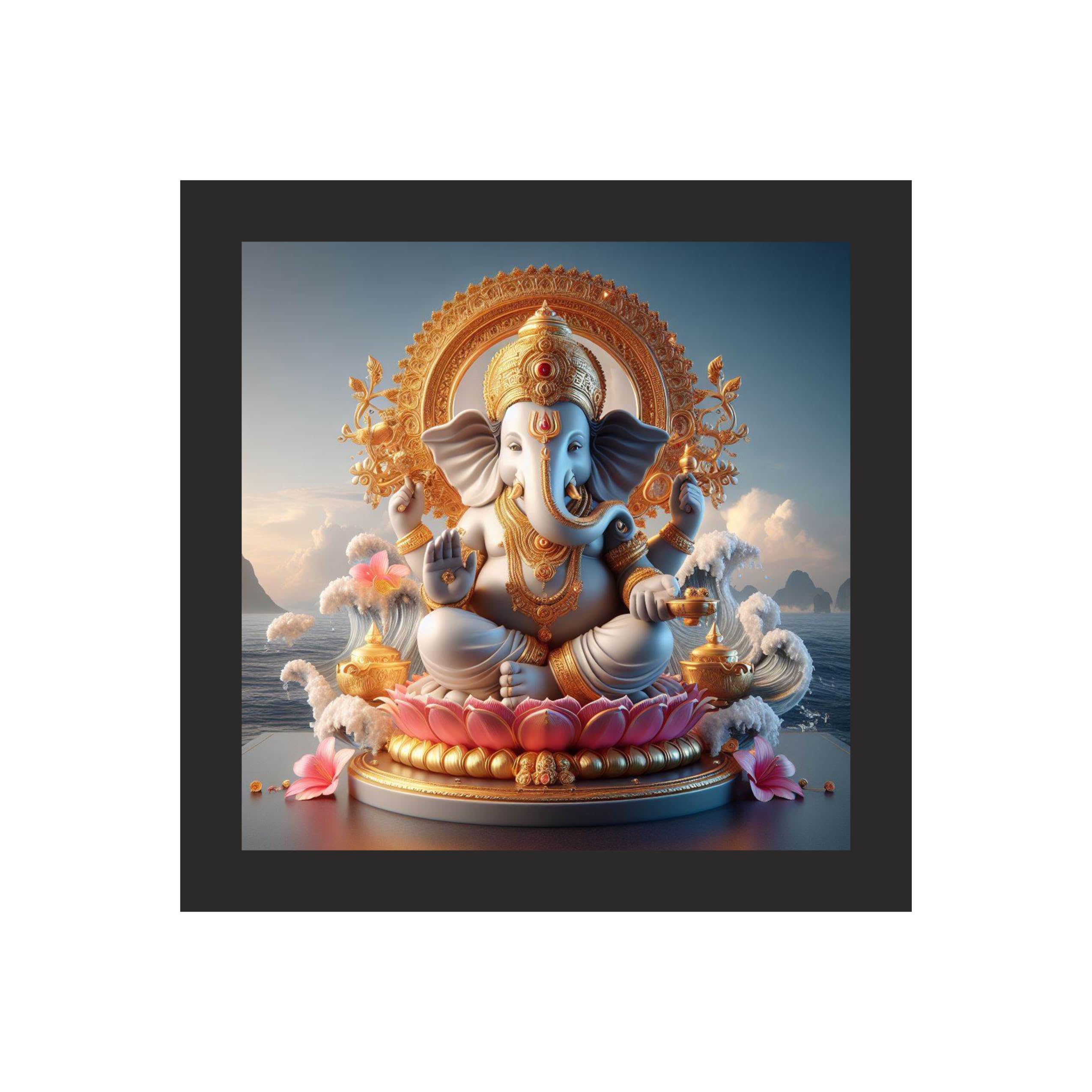
Portrait Ganesh artwork suits a tall niche or the central space above a small altar. Square frames can create a balanced focal point between matching lamps or smaller devotional pictures. Landscape artwork and sets of three are better suited to wider walls, particularly when the pooja area occupies a console rather than a narrow cabinet.
Do not choose orientation from the product image alone. Note the stated dimensions and use removable paper templates or painter's tape to outline the proposed frame on the wall. View the outline while seated and standing. This simple test reveals whether the art feels proportionate and whether important details will be hidden by flowers, kalash arrangements or other objects.
If the home temple already contains several images, a single square or portrait frame may reduce visual competition. If the wall is otherwise empty, a coordinated set can create a deliberate arrangement. The aim is a space that supports attention rather than one filled simply because more items will fit.
Traditional, mandala or minimalist Ganesh art?
Traditional imagery
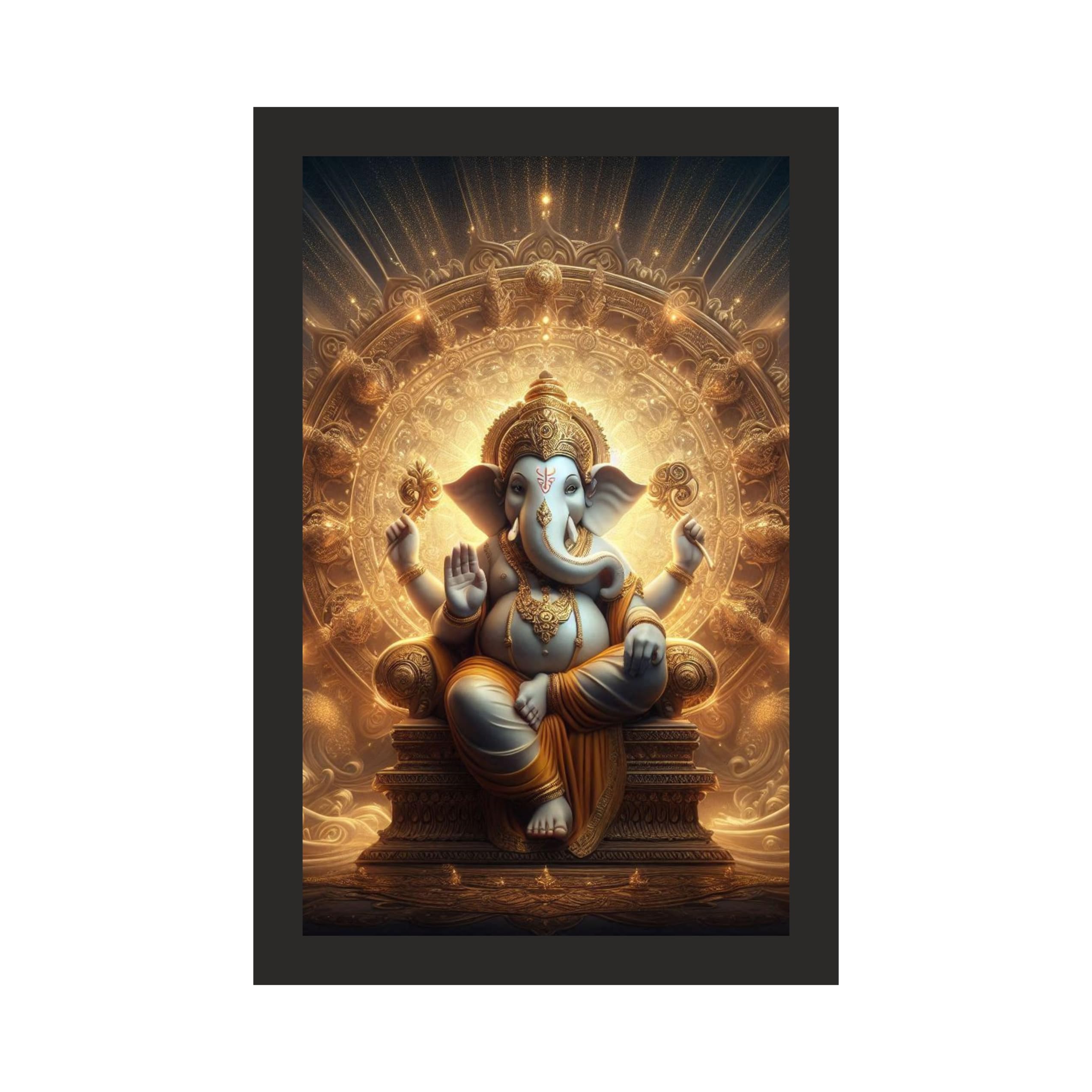
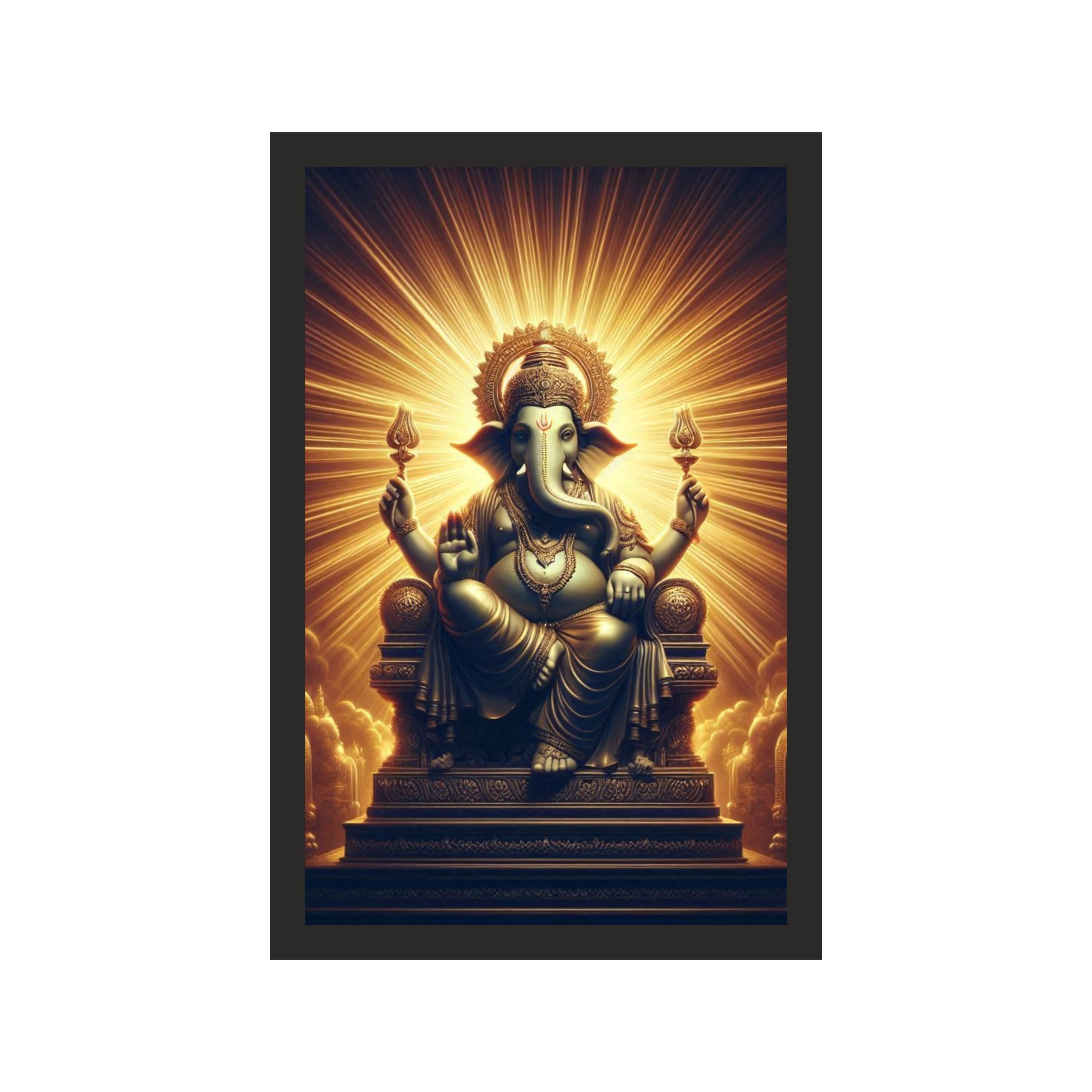
Artwork showing Ganesh Ji seated on a throne, with detailed ornaments or a luminous devotional setting, works naturally in homes that favour classic temple décor. Rich colour can echo brass lamps, textiles and flower arrangements. Look for an image whose expression and composition feel peaceful to the family rather than selecting it only for decorative intensity.
Mandala compositions
A mandala background adds symmetry and pattern around the central figure. It can bridge traditional imagery and contemporary interiors, especially when the surrounding room uses clean furniture but the family still wants a visibly devotional focal point. Allow patterned artwork enough open wall around it so the detail does not feel crowded.
Minimalist and modern styles
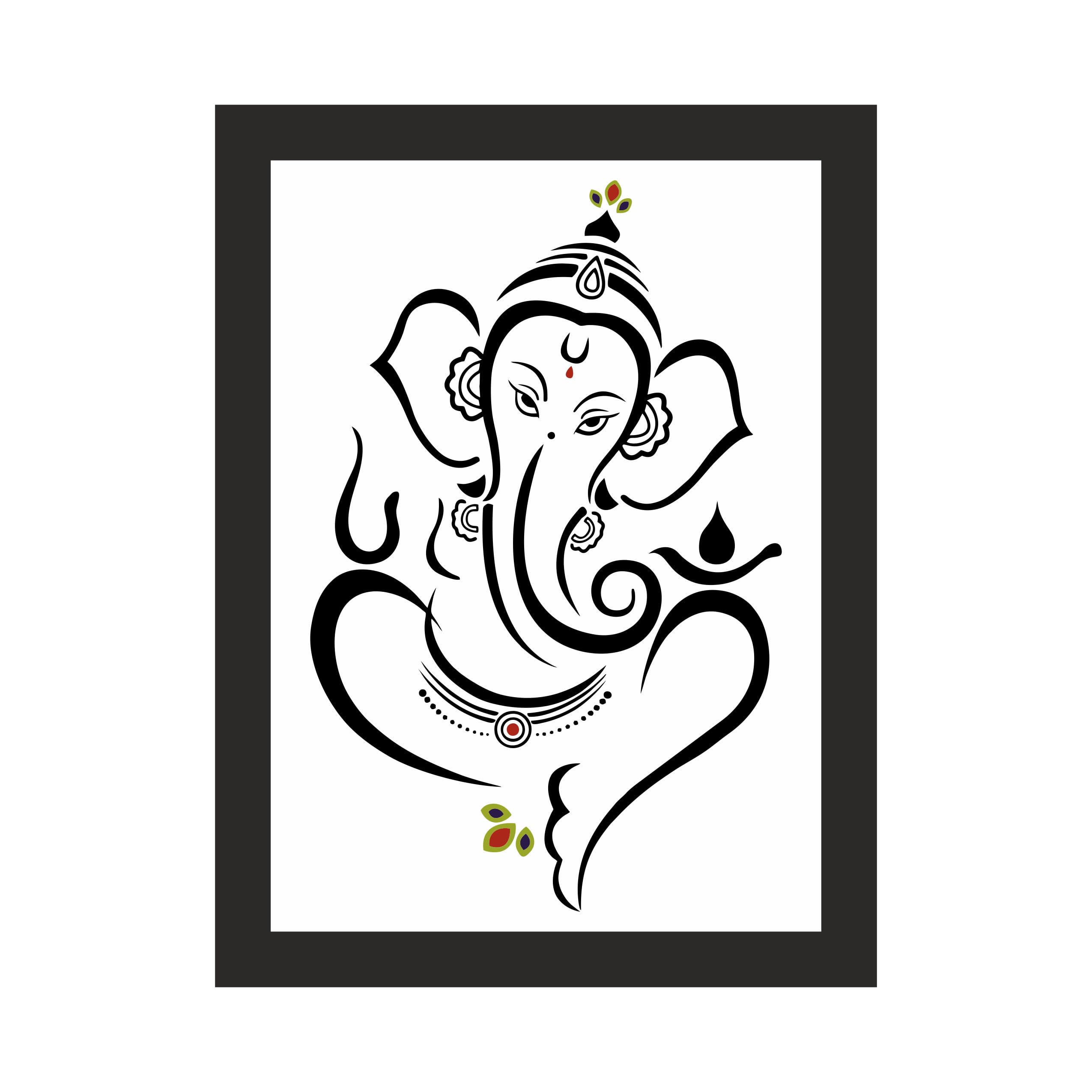
A restrained Ganesh illustration, monochrome treatment or simple composition can suit a small modern apartment and a quiet shelf shrine. Minimalist does not mean less respectful. What matters is whether the image is welcomed by the household and placed with care. It can also coordinate more easily with existing frames of different deities.
Positioning a Ganesh frame respectfully
Families and regional traditions differ on the arrangement of a home temple. Treat household practice as the first reference rather than presenting internet advice as a universal rule. Ask elders or the person who maintains the pooja space if you are unsure. A guest gifting a frame should allow the recipient to choose where it belongs.
From a practical standpoint, select a clean, stable and visible position. Avoid direct moisture, harsh sunlight and areas where the frame can be knocked while shelves are opened. Keep electrical light strings and oil lamps safely arranged. If the frame is mounted, use hardware appropriate to the wall and the frame's weight.
The article on why Ganesh Ji is considered auspicious for the home discusses symbolism and other rooms in more detail. For this guide, the central principle is simpler: create a prayer area that the household can use and maintain comfortably.
Match the frame with existing devotional décor
Take note of existing frame colours, metal finishes and textiles. A black fibre frame provides a clear boundary around colourful artwork and can coordinate with many interiors. If the pooja room already has multiple black-framed images, using the same finish creates continuity. If it contains ornate wood and brass, a simpler black frame can act as a quiet visual anchor rather than trying to imitate every material.
Group devotional artwork through alignment, not identical subject matter. Frames with different dimensions can share a common centre line or bottom edge. Keep small, consistent gaps. If one Ganpati image is intended as the main focal point, give it more open space and place supporting frames lower or to the side.
Flowers, torans and lights may change with the festival calendar, while framed art remains throughout the year. Choose a base arrangement that looks complete without temporary decoration; seasonal elements can then be layered around it for Ganesh Chaturthi, Diwali or family occasions.
Ganesh frames for a home temple
The existing Yaadscape selection below includes a compact 8×10 frame, square throne imagery, minimalist 12×16 art, a 12×18 mandala, a larger 16×24 traditional frame and a coordinated set of three. The variety helps compare scale and style without implying that one form is universally correct. View the full product page for dimensions, imagery and the Amazon purchase route, or browse the Spiritual & Devotional Art collection.

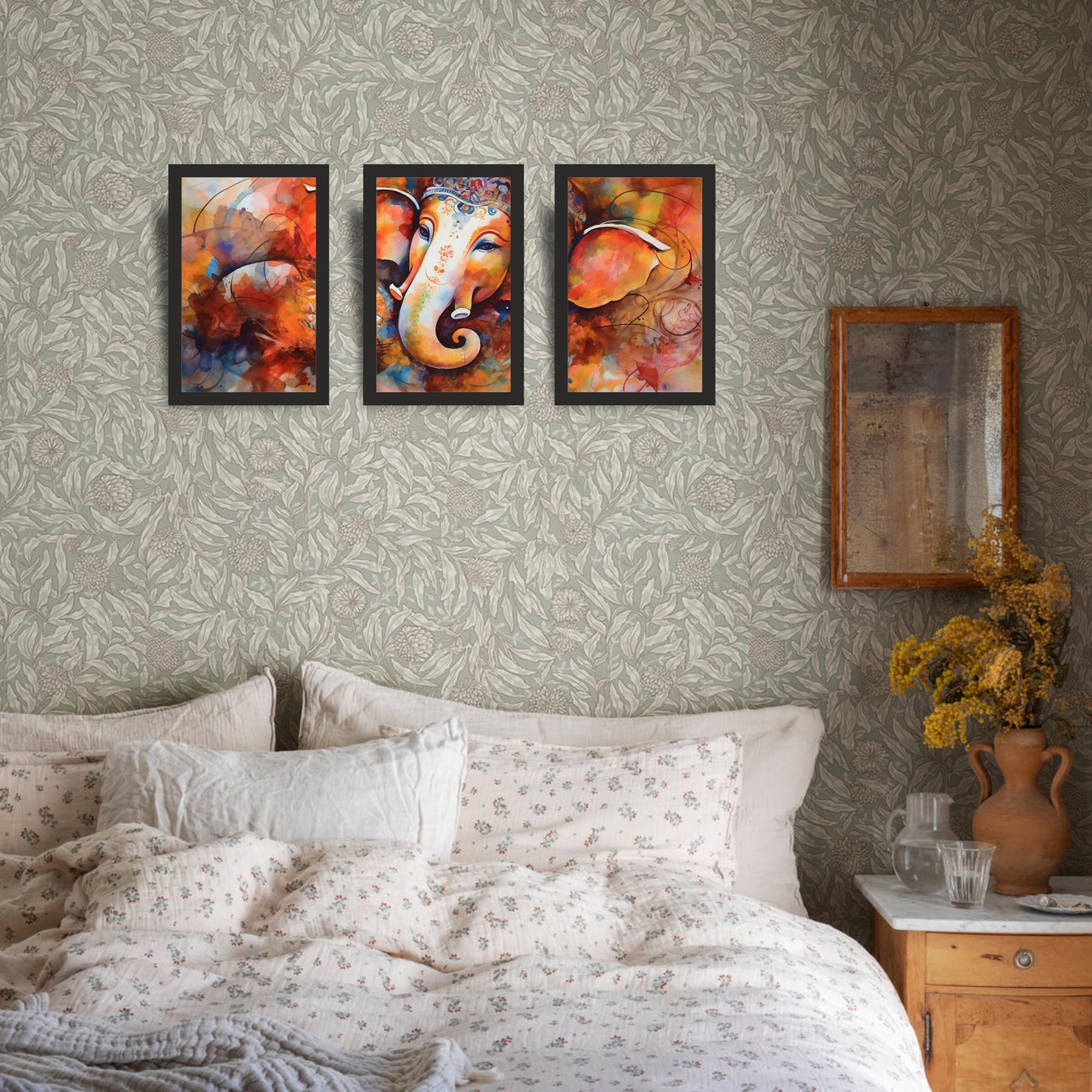
Gifting a Ganesh frame for someone else's pooja room
A Ganesh frame can be a thoughtful gift for a new home temple, a renovated prayer corner or a family beginning life in a new house. First confirm that devotional artwork is appropriate for the recipients. Then choose a versatile size unless you know their wall measurements. Compact and medium frames are usually easier to integrate than a large statement piece.
Include a short note about the occasion and let the family decide the placement. For a new address, the Ganesh housewarming gift guide covers recipient, scale and presentation in more detail. If the frame will be part of a festival arrangement, continue with Ganesh Chaturthi decoration ideas for home. Thoughtful measurement and respect for household practice matter more than following a rigid formula.